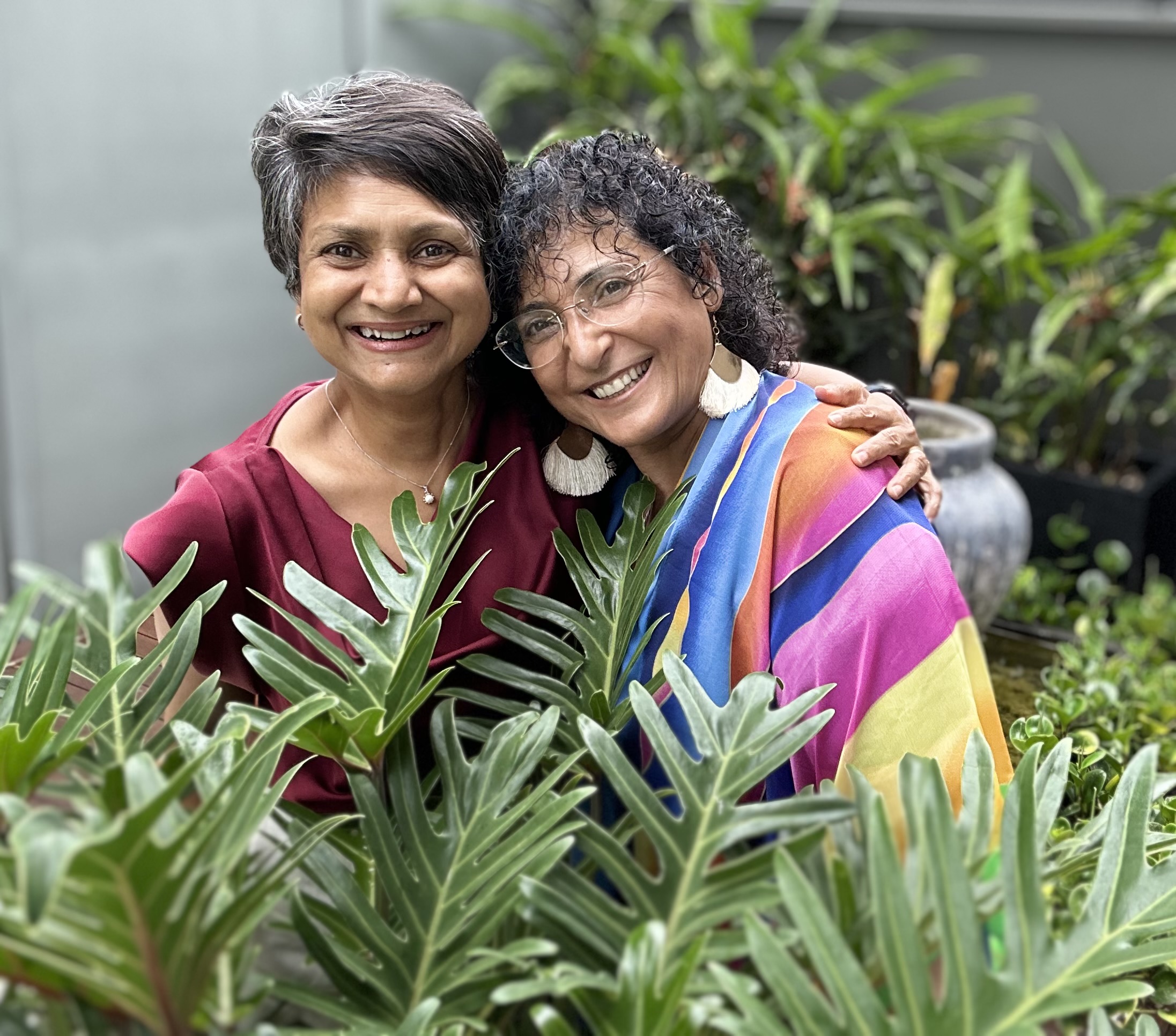
Nelum and Ronit were friends long before they teamed up to create Whole Food Revolution. Their shared passion for healthy, wholesome living inspired them to combine their expertise and bring their vision to life.
With warmth, a sense of fun, and a genuine love for teaching, Nelum and Ronit are dedicated to helping you transform your relationship with food. Whether it’s through practical tips, heartfelt support, or empowering guidance, they’re here to make your journey enjoyable and rewarding.
Join them and discover how to live, cook, and eat in a way that feels good for your body and soul!
Welcome to South Asian Solution: Healthy Habits for a Healthy Life
This self-paced course is your guide to understanding the unique health risks faced by South Asians and the transformative impact that food and lifestyle changes can have on improving well-being. Whether you're new to these concepts or looking to enhance your understanding, this course offers practical insights and actionable steps to support your journey to better health.
Why Focus on South Asians?
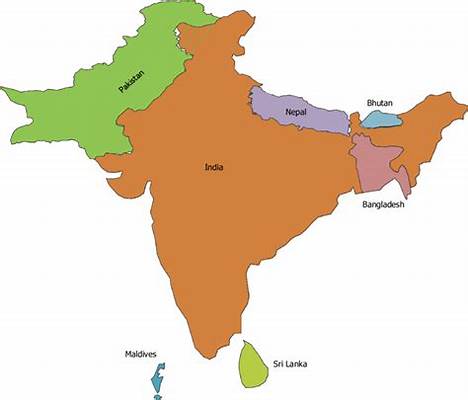
South Asians (India, Pakistan, Bangladesh, Nepal, Sri Lanka, Bhutan, Maldives) are at an increased risk of health conditions such as Type 2 diabetes, heart disease, and chronic kidney disease due to genetic, lifestyle, and dietary factors. However, the good news is that simple, sustainable changes in diet and lifestyle can dramatically improve health outcomes—without requiring you to give up all the foods and traditions you love.
What to Expect in This Course
This course is structured into five comprehensive sections to help you make informed, practical changes to your health through food and lifestyle choices:
1. Understanding Risks and Causes
Gain a clear understanding of the unique health risks faced by South Asians, including Type 2 diabetes, heart disease, and chronic kidney disease. Learn about the underlying causes, such as genetics, diet, and lifestyle factors, and how these risks can be effectively managed.
2. What to Eat: 4 Key Food Principles
Master the essentials of healthy eating:
Prioritize whole foods for better nutrition.
Focus on protein-rich choices to support muscle health and satiety.
Embrace healthy fats for sustained energy and optimal metabolic function.
Reduce carbs to improve blood sugar control and overall well-being.
Additionally, develop the skill to read food labels, uncovering hidden sugars, harmful ingredients, and misleading claims to make informed and healthier food choices.
3. When to Eat: The Power of Fasting
Learn how fasting can support your health by improving insulin sensitivity, boosting energy, and promoting metabolic balance. Understand the benefits of fasting and practical ways to incorporate it into your lifestyle.
4. Build Muscle: Essential for South Asians
Discover why building muscle is crucial for improving metabolic health, reducing chronic disease risks, and enhancing longevity. Explore effective exercises tailored to help South Asians gain strength and maintain overall physical health.
5. Managing Mental Health
Understand the vital connection between mental well-being and physical health. Learn strategies for:
Stress management to support emotional and physical resilience.
Overcoming emotional eating by addressing triggers and developing healthier habits.
Navigating the fear of missing out (FOMO) while making mindful choices that align with your goals.
Each section is carefully designed to provide actionable insights and tools, empowering you to take meaningful steps toward a healthier, more balanced lifestyle.
How Is This Course Set Up?
The course is thoughtfully designed to fit into your busy life with short, easy-to-follow modules:
Bite-Sized Learning: Each video and written section takes just 10-20 minutes to complete, making it simple to fit into your schedule.
Structured for Simplicity: Materials are clear, actionable, and straightforward, so you can easily understand and apply the concepts.
Self-Paced Progress: Move through the course at your own pace, taking the time to reflect on how the information relates to your personal health journey.
South Asian Solutions: Each section includes a specific solution tailored to South Asians, addressing the unique health challenges and cultural considerations of this ethnic group.
This focused approach ensures that the course is not only accessible and practical but also deeply relevant to your needs and goals.
Join the Conversation
We encourage you to take your time and go through the various sections slowly. Absorb the information, reflect on how it applies to your own journey, and don’t hesitate to ask questions.
Need extra guidance or support? Connect with a community of like-minded individuals on our Community Facebook page. Share your progress, ask questions, and stay motivated throughout your journey.
Nourish and Thrive: Monthly Wellness Boost
Stay motivated and inspired by joining our live sessions with the coaches. These interactive gatherings are perfect for addressing questions, sharing experiences, and continuing your wellness journey. Learn more and book in for The Monthly Wellness Boost HERE.
Who Is This Course For?
This course is ideal for anyone looking to improve their health through better eating habits and lifestyle changes. While it is specifically designed for South Asian diaspora and other Asian ethnicities, addressing their unique health risks and cultural considerations, anyone seeking practical, sustainable solutions to enhance their well-being will benefit from the insights provided.
Whether you're just starting your health journey or looking to refine your approach, this course equips you with tools tailored to your needs and background.
Let’s Begin!
Take control of your health today. By completing this course, you’ll gain the confidence and tools to make food and lifestyle choices that will transform your well-being for the better.
Start your journey to a healthier, happier you now!

South Asians face a disproportionately high risk of metabolic health challenges, including insulin resistance, which is a key driver of conditions like Type 2 diabetes and cardiovascular disease. Factors such as genetic predisposition, traditional dietary patterns, and lifestyle habits contribute to this heightened risk.
In this section, we’ll introduce the concepts of metabolic health and insulin resistance, explore why these issues are particularly prevalent in South Asians, and highlight the importance of addressing them to improve overall health and well-being.
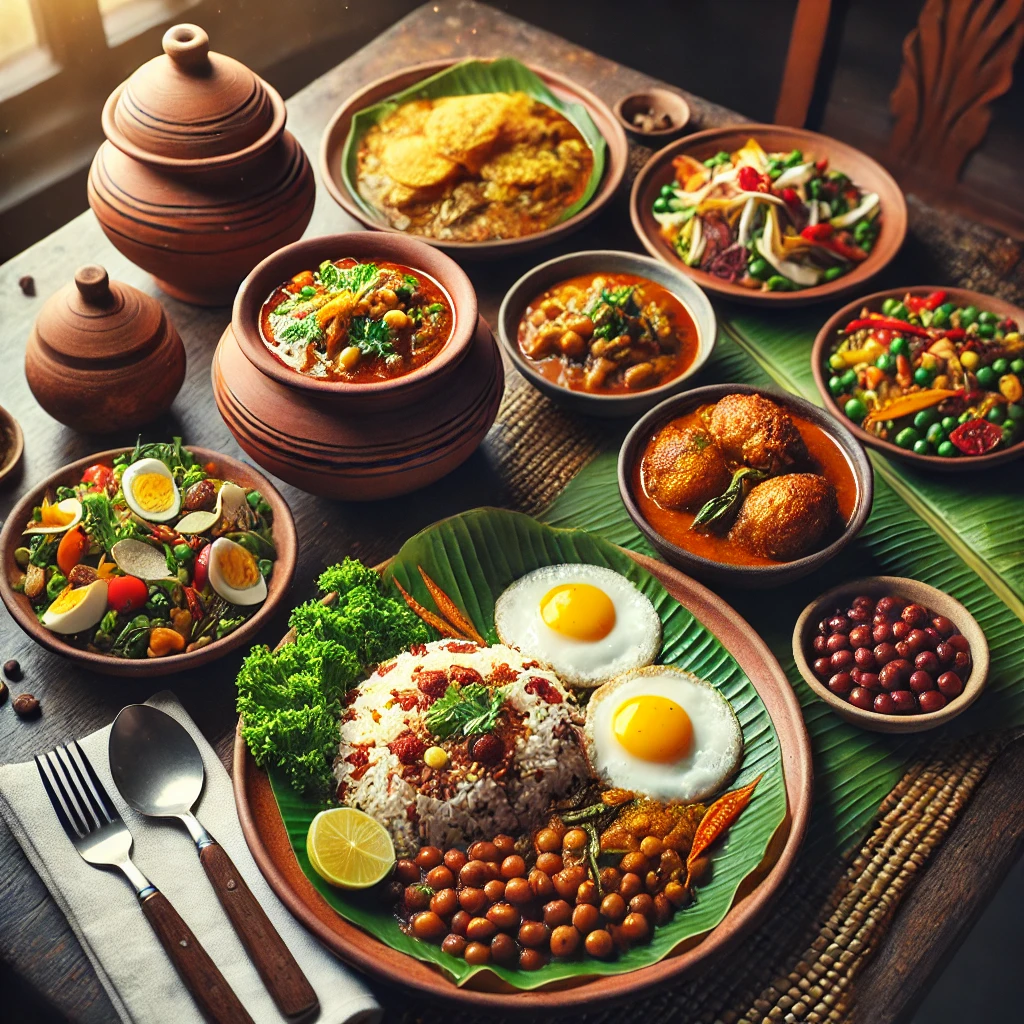
In this section, we’ll delve into the four essential food principles that form the cornerstone of a healthy, sustainable diet. These principles are designed to help you make well-informed decisions, balance your nutrition, and maximize your body’s energy efficiency. By adopting these simple yet impactful guidelines, you’ll be equipped to support your metabolic health, ease the strain on your body, and feel your best every single day.
You’ll also gain valuable insights into reading food labels, understanding potential side effects of low-carb eating, and identifying which health conditions may require closer attention and monitoring.
This section is the most comprehensive part of the course, so take your time to fully absorb the information. Give yourself the space to implement the actions step by step, ensuring you feel confident before moving on to the next part. Patience and practice will set you up for long-term success.
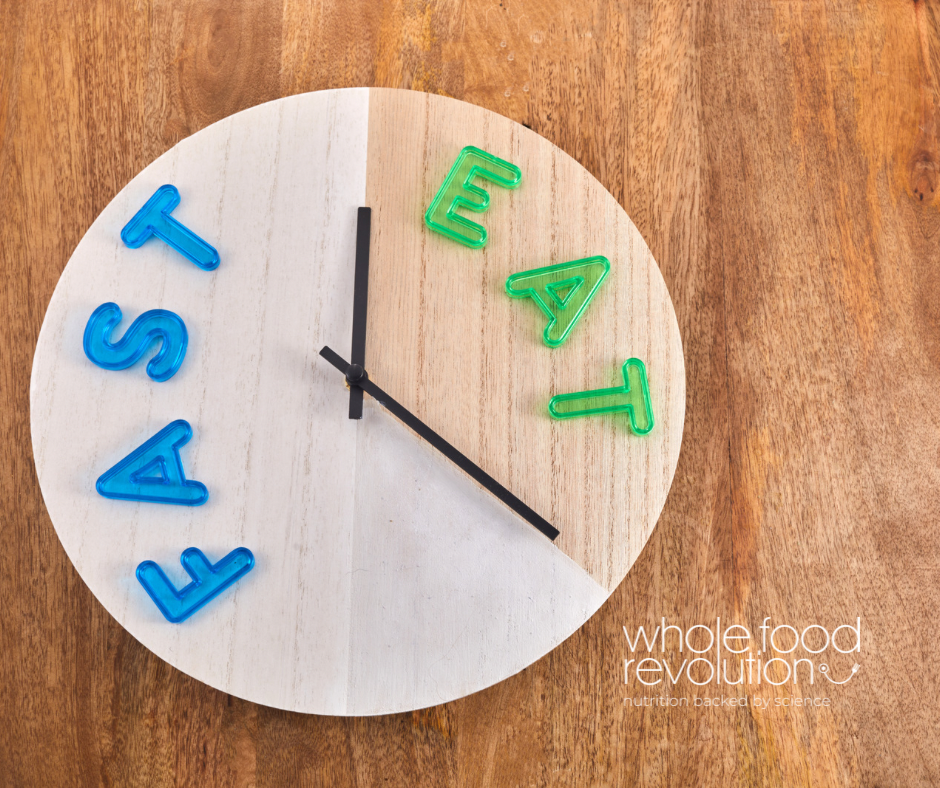
I prefer saying "when to eat" instead of "fasting" because it’s simply about giving your body a break so it can burn stored fat for energy.
When we eat, the body burns glucose first. When we stop eating for a while, insulin drops, and fat burning begins.
By timing our meals wisely, we can lower insulin, improve metabolism, and tap into fat stores naturally. Let’s explore this further in the video.
One of the most important things we can do for our health is build muscle. Unfortunately, many South Asians don’t focus on muscle-building, possibly because we haven’t realized how important it is. Have a listen to the video in the next session, to learn more.
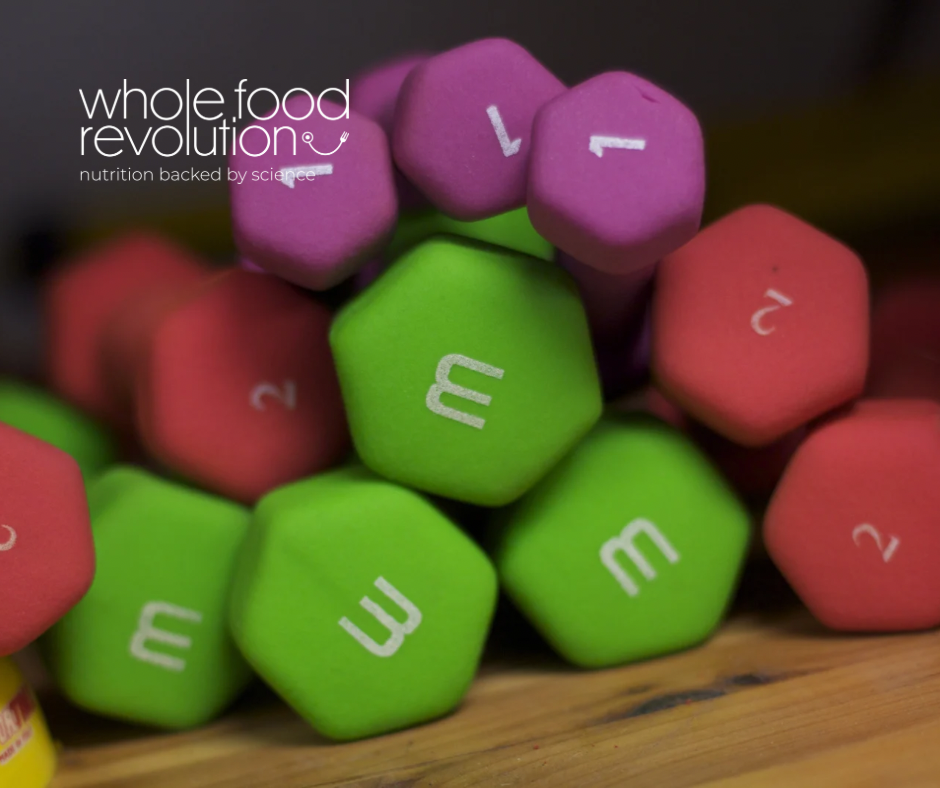

Learn how emotional eating ties to deeper patterns of helplessness and gain practical tools to break free. This section explores four foundational food principles that empower you to nourish your body, manage emotions constructively, and create a healthier, happier relationship with food.

In many industrialized countries, there isn’t enough research focused on South Asians’ unique health needs. This gap means that doctors might not fully understand the specific challenges this community faces. Standard health screenings might not be adequate for South Asians.
That’s why it’s crucial for you to be informed about your health risks. By knowing what tests to ask for and what results to look out for, you can advocate for yourself effectively.
Here’s a guide to help you navigate your health checks and understand the optimal ranges for South Asians. These are the tests I recommend and the reference ranges I use for optimum health:
When starting a new lifestyle, whether it's low-carb, keto, or another way of eating, it’s easy to feel overwhelmed by the sheer number of recipes available. A quick search online can lead to hundreds of options, each looking more complex than the last. For some, this becomes an easy excuse: “I don’t have time to find the right recipes, so I can’t start yet.”
Here’s the truth: most people rotate between 15–20 core recipes they use weekly. These are familiar, simple, and fit seamlessly into their routines. You don’t need a hundred recipes to succeed—you just need a handful that work for you.

Why Keep It Simple?
Avoid Overwhelm: Starting a new lifestyle is about building habits, not mastering a gourmet cookbook. Focus on a few go-to meals you enjoy and can prepare easily.
Time-Saving: Familiar recipes mean less time spent planning, shopping, and cooking.
Consistency Wins: Success comes from sticking with your lifestyle over the long term, not trying to reinvent your menu every week.
How to Get Started
Choose Your Favourites: Pick a few meals you already love that can be adapted to your new lifestyle. For example, swap pasta for zoodles or bread for lettuce wraps.
Master the Basics: Learn simple recipes like stir-fries, soups, or roasted dishes. These are versatile and easy to tweak with different flavours.
Repeat and Perfect: Stick with your chosen recipes for a few weeks. You’ll gain confidence and make adjustments that suit your taste and schedule.
A Reminder
Don’t let the hunt for the perfect recipe hold you back. Start small, keep it simple, and build your recipe collection as you go. Remember, the goal is progress, not perfection. A few solid recipes are all you need to begin your journey toward a healthier lifestyle.

Investing in your health is one of the most rewarding decisions you can make. Whether you’re exploring self-paced online courses or attending face-to-face workshops, gaining more knowledge equips you with the tools to make informed, sustainable changes. Learning at your own pace allows you to integrate habits gradually, while in-person experiences offer hands-on guidance and connection with like-minded individuals. Whichever path you choose, remember that every bit of knowledge brings you closer to your health goals. Start your journey today—your future self will thank you!

At Whole Food Revolution, we’re excited to deliver information and support in a fresh, new way. While this online course is a new offering, we’ve been running face-to-face and online programs for several years, consistently receiving excellent feedback from our participants.
Our Commitment to Transparency and Integrity
As a regulated health service provider, we follow the Australian Health Practitioner Regulation Agency (Ahpra) guidelines for advertising. These guidelines ensure that all information about our services is accurate, reliable, and professional.
According to Ahpra, we are not permitted to use testimonials about our services in our advertising. This helps maintain transparency and keeps the focus on evidence-based practices. While we cannot share testimonials directly, you can still explore inspiring stories and feedback on external platforms, such as our Google Reviews page, as these are not regulated by Ahpra.